
I’ve spent years learning about hurricane survival the hard way, and I need to share what I’ve discovered about surviving a hurricane’s eye—because the myths and misconceptions out there could literally cost you your life.
This hurricane survival guide is for anyone living in hurricane-prone areas, emergency responders, and anyone who wants to understand the real dangers lurking behind one of nature’s most deceptive phenomena. My goal is to help you avoid the fatal mistakes I’ve seen too many people make when they think the worst is over.
I’ll walk you through the deadly deception of the hurricane’s eye and why that sudden calm can be more dangerous than the storm itself. We’ll cover the critical safety rules you need to follow when the eye passes over, including why elevation matters more than distance from the coast. I’ll also debunk some dangerous hurricane myths that keep circulating—like the idea that you should venture outside during the eye—and share the essential emergency equipment and safety protocols that could save your life.
The eye of a hurricane isn’t your signal to relax. It’s your warning that the second half of the storm is about to hit, and I want to make sure you’re ready for it.
Understanding the Hurricane’s Eye and Its Deadly Deception
Why the Eye Creates False Security
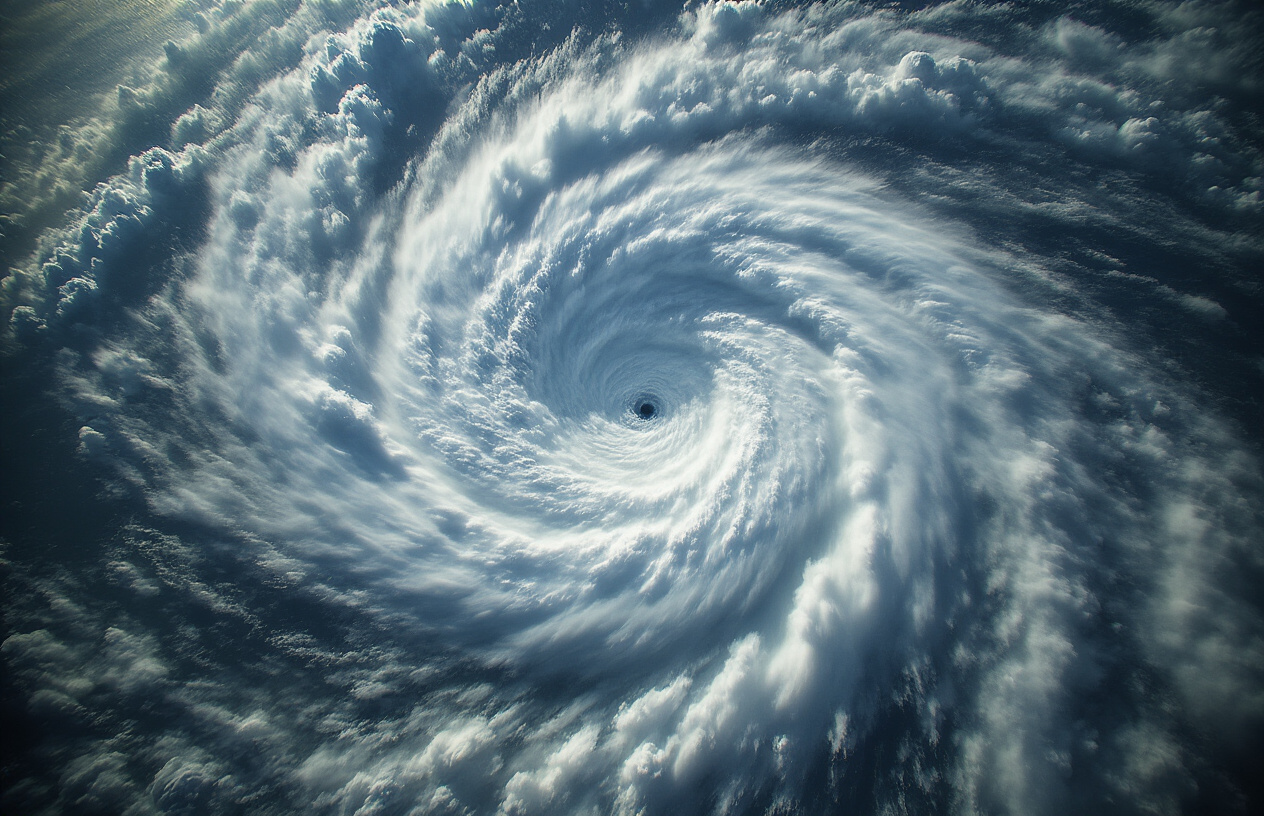
I cannot stress enough how dangerous the hurricane eye can be precisely because of its deceptive nature. When you’re experiencing hurricane eye dangers firsthand, the sudden shift from devastating winds to complete calm creates an overwhelming false sense of security. I’ve seen people make fatal mistakes during this period because the weather can appear so still that you might genuinely believe the entire storm has passed.
This deadly deception occurs because the eye represents only the halfway point of the hurricane’s passage. While you’re standing in what feels like perfect calm, with little to no wind and sometimes even clear skies above, the other half of the storm is still approaching with the same destructive force you just experienced. The hurricane eye safety protocols exist specifically because this calm period tricks people into thinking they can venture outside, assess damage, or even evacuate when they’re actually in the most dangerous position possible.
How Long the Calm Period Actually Lasts
The duration of this deceptive calm varies dramatically based on the hurricane’s characteristics. In my experience studying hurricane survival patterns, the calm period in the eye can last anywhere from a couple of minutes to several hours, depending entirely on the size of the eye itself. Smaller, more compact hurricanes might give you only minutes of calm, while larger storm systems can create hours of seemingly peaceful conditions.
This unpredictable timeframe makes hurricane eye safety even more critical. You never know whether you have two minutes or two hours before the storm’s second half arrives. I always emphasize that regardless of how long the calm lasts, you must remain in your secure location throughout the entire duration.
Recognizing When the Storm Resumes from the Opposite Direction
The most crucial aspect of surviving hurricane eye conditions is understanding that when the storm resumes, it attacks from the complete opposite direction. I cannot overemphasize how quickly this transition occurs – the wind speed can literally go from zero to hurricane-force in just a single minute as the second part of the storm arrives.
This directional change means that anything that provided protection during the first half of the storm might now be completely exposed to the hurricane’s fury. Trees, debris, and structures that seemed secure before may now become projectiles coming from the opposite side. Many people don’t realize that being in the eye means they are only halfway through the storm, making this recognition absolutely vital for hurricane preparedness and survival.
The backside of the hurricane hits with the same intensity as the front, but the wind direction reversal can catch even prepared individuals off guard if they don’t understand this fundamental characteristic of hurricane behavior.
Critical Safety Rules During the Hurricane’s Eye
Stay Inside No Matter How Calm It Appears
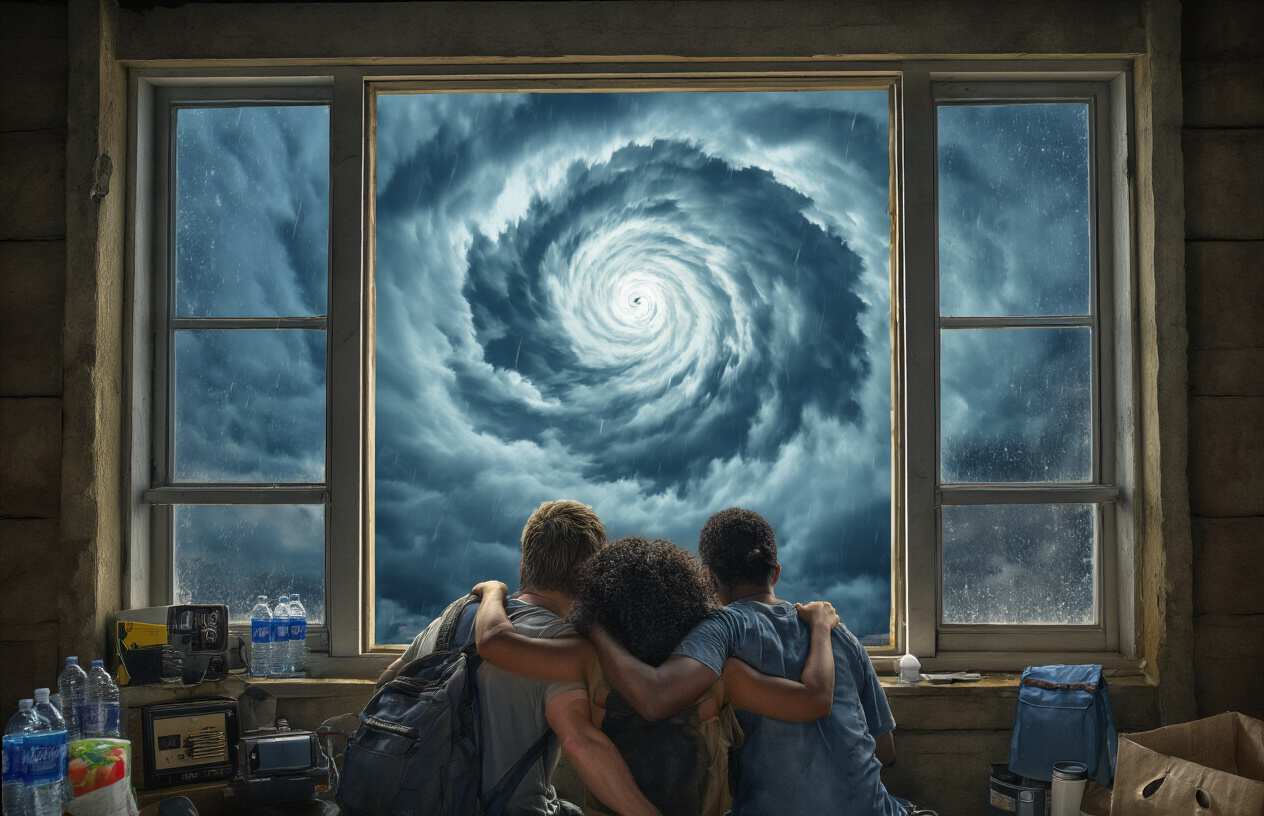
I cannot stress this enough: never go outside the protection of your home or shelter during the eye of the storm. The calm of the eye is deceptive, and I’ve seen too many people make this fatal mistake. When the winds suddenly stop and an eerie silence falls over your area, your instinct might tell you the worst is over – but this couldn’t be further from the truth. The eye of a hurricane is merely a temporary reprieve, lasting anywhere from a few minutes to over an hour, depending on the storm’s size and speed.
During this deceptive calm period, I always remind myself that I’m essentially in the center of a massive rotating storm system. The most dangerous winds – those forming the eye wall – are circling around me at potentially catastrophic speeds. Stepping outside during this phase means risking being caught completely exposed when the back side of the storm hits with renewed fury.
Keep All Windows and Doors Sealed Tight
Maintaining your home’s structural integrity during the hurricane eye is crucial for hurricane eye safety. I ensure my house is sealed absolutely tight throughout the entire storm duration. This means I do not open windows, doors, or any other openings, even when the winds have completely stopped during the eye passage.
Opening windows during this calm period can lead to catastrophic structural failure – specifically, it can cause the roof to come off your home. The pressure dynamics during a hurricane are complex, and any breach in your home’s envelope can create devastating consequences when the storm’s second half arrives. I stay away from all windows, skylights, and glass doors, positioning myself in a safe area like an interior room, closet, or downstairs bathroom.
Continue Monitoring Weather Updates via Portable Radio
My portable radio becomes my lifeline during the hurricane eye phase. I use it continuously to listen to important storm updates, information, and instructions from emergency officials. This is not the time to assume the danger has passed or to rely on my own observations of the seemingly calm conditions outside.
Weather authorities provide critical information about the storm’s movement, the expected duration of the eye passage, and when the dangerous winds will resume. I’ve learned that staying informed during this deceptive calm period is essential for hurricane survival guide protocols, as conditions can change rapidly and without warning.
Avoid the Temptation to Assess Damage Outside
The temptation to go outside and assess damage during the calm eye is perhaps the most dangerous impulse I face during a hurricane. The sudden silence and apparent normalcy can be overwhelming after hours of terrifying winds and noise. However, I always remind myself that the storm is not over – it’s only halftime.
I resist this urge completely, understanding that venturing outside during the eye puts me at extreme risk of being caught in the open when the storm’s back wall arrives. The second half of the hurricane often brings winds from the opposite direction, potentially even stronger than the initial assault, along with flying debris and dangerous conditions that can turn deadly in seconds.
Elevation Over Distance: Your Most Important Survival Factor
Why Being Far from Water Doesn’t Guarantee Safety
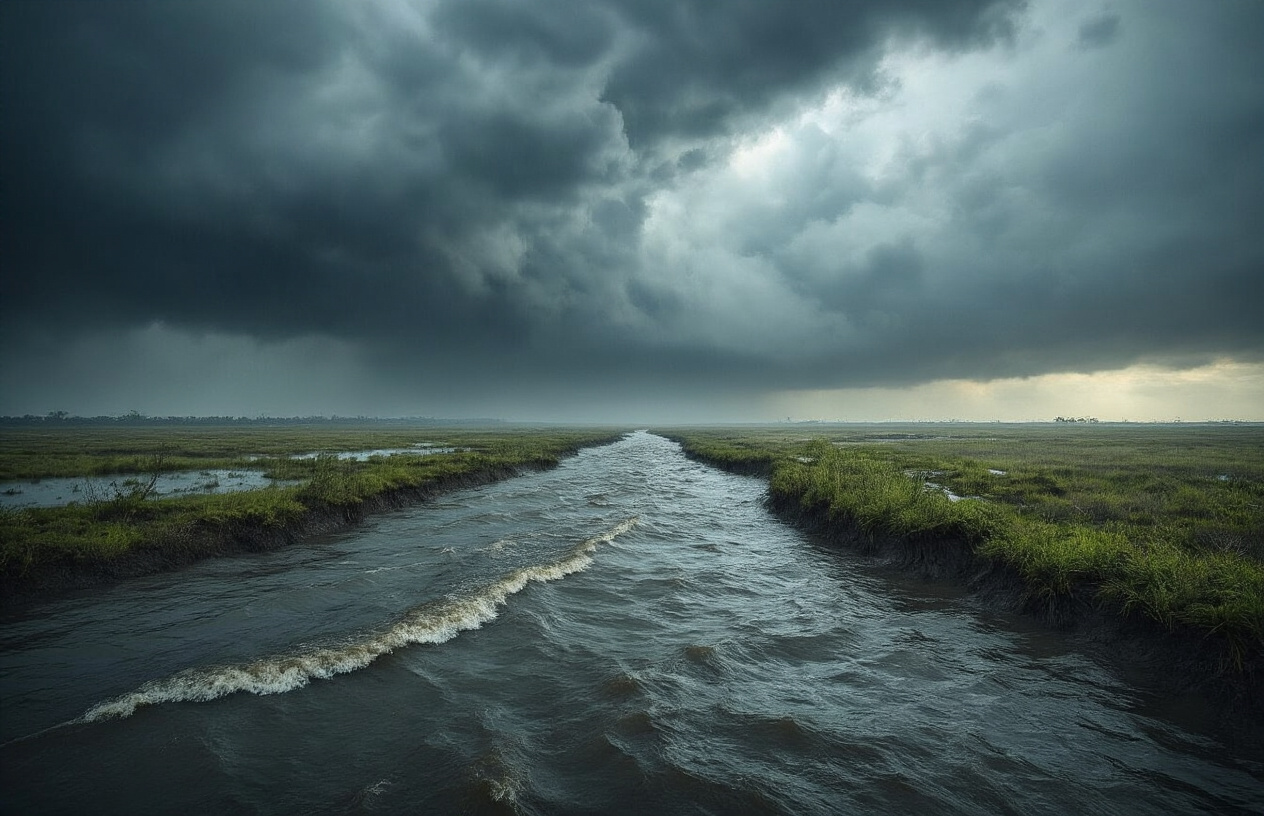
I’ve witnessed countless hurricane survivors make the fatal assumption that distance from the coast equals safety. This dangerous misconception has cost lives throughout hurricane history. While many believe that being 20 or even 30 miles inland provides adequate protection, I can tell you that elevation matters far more than your distance from the water.
The harsh reality I’ve learned from studying hurricane impacts is that low-lying areas, regardless of how far inland they are, remain vulnerable to the hurricane’s deadliest threat. Your proximity to the ocean becomes irrelevant if you’re situated in a depression, valley, or any area below the projected surge height. I’ve seen communities 20 miles or more from the coast completely inundated simply because they failed to consider their elevation above sea level.
Understanding Storm Surge and Its Deadly Reach
Now that we’ve established why distance alone won’t save you, let me explain the mechanism behind this killer phenomenon. Storm surge occurs when hurricane winds push massive volumes of ocean water onto land, creating a wall of water that behaves like a tsunami. I consider this the hurricane’s biggest killer, and the statistics support this assessment.
What makes storm surge particularly insidious is how it defies people’s expectations about water behavior. The surge doesn’t simply flow like a river – it rises rapidly, often catching residents off guard who assumed they had more time to react. Historical events provide sobering examples of this deadly force in action.
Hurricane Audrey in 1957 demonstrated the devastating reach of storm surge, drowning people in low-lying areas far from the immediate coastline. More recently, Hurricane Ian in 2022 reinforced this lesson, claiming lives in inland communities where residents believed their distance from the Gulf provided adequate protection. I’ve studied these cases extensively, and they all share a common thread: victims were in areas with insufficient elevation, regardless of their distance from the water.
Identifying Safe High-Ground Locations in Your Area
With this understanding of storm surge’s deadly reach, I recommend immediately assessing your area’s elevation profile. My experience has taught me that identifying safe high-ground locations before hurricane season begins can mean the difference between life and death during an actual event.
Start by obtaining topographical information for your region. I suggest consulting FEMA flood maps, local emergency management resources, and elevation data to understand which areas in your community sit above the projected surge levels. Look for locations that offer not just temporary high ground, but sustained elevation that won’t become isolated islands during the storm.
When I evaluate potential safe zones, I consider several factors: the location’s elevation above sea level, its accessibility during deteriorating conditions, and whether it can accommodate extended stays. Remember, you may need to remain in these areas for hours or even days until the surge recedes.
If your area falls within a direct-hit zone projection, my advice is unequivocal: evacuate and move to higher ground before the storm arrives. Don’t gamble with storm surge – I’ve seen too many cases where people in seemingly safe inland locations paid the ultimate price for underestimating this hurricane survival factor.
Avoiding Fatal Transportation Mistakes
Never Drive During Any Phase of the Hurricane
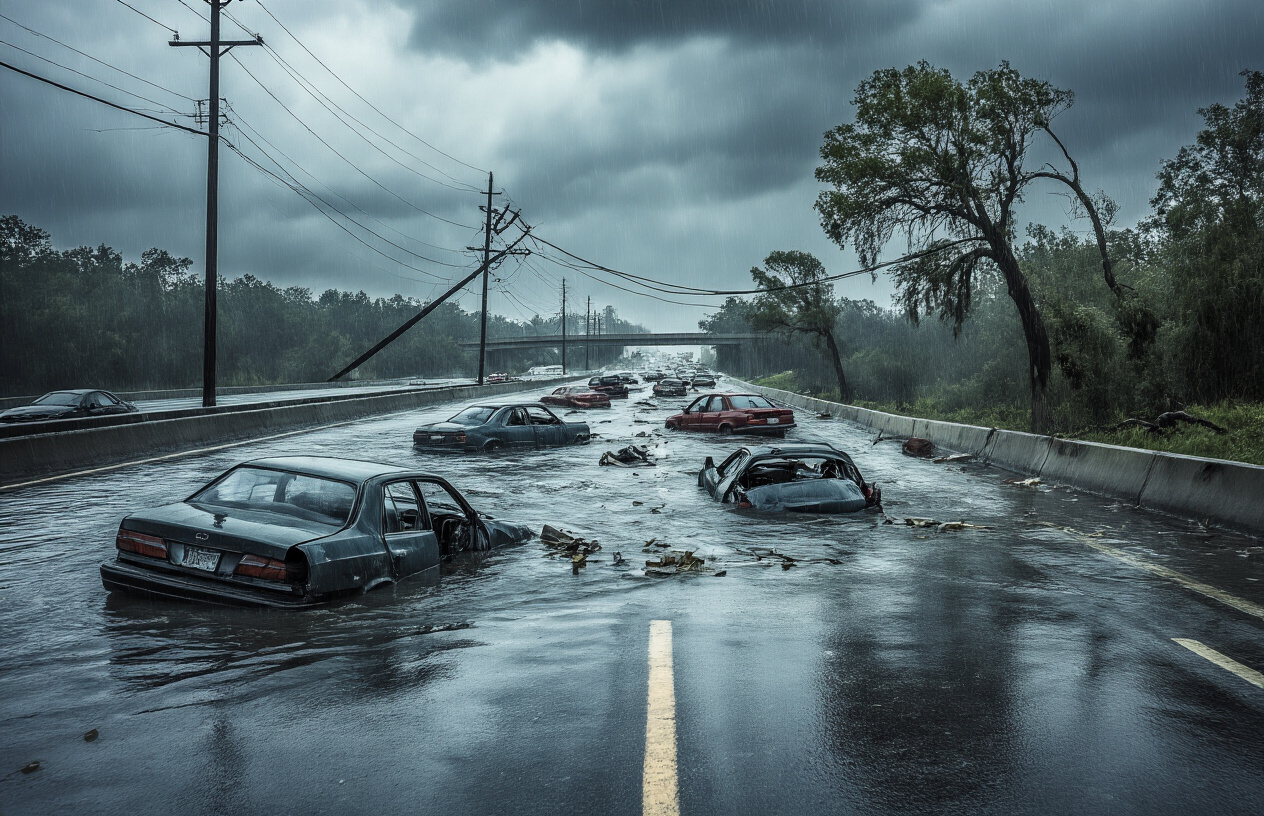
When it comes to hurricane evacuation safety, I cannot stress this enough: never drive during any phase of a hurricane, regardless of your desire to evacuate or reach safety with your emergency bag. This is one of the most critical hurricane safety tips I can share with you. The moment hurricane-force winds begin, roads become death zones where even the most experienced drivers face impossible conditions.
I’ve seen too many people make the fatal mistake of thinking they can outrun a storm or make a quick trip to safety once the hurricane has arrived. This decision has cost countless lives and continues to be one of the leading causes of hurricane-related fatalities. The urge to flee may feel overwhelming, but staying put in a sturdy structure is always the safer choice once the storm has begun.
Recognizing Why Cars Become Death Traps in High Winds
Understanding why vehicles become death traps during hurricanes is essential for your hurricane preparedness plan. High winds can flip cars with terrifying ease, turning your vehicle into a tumbling metal coffin. I’ve witnessed firsthand how falling trees can crush automobiles in seconds, while collapsing buildings can squash them flat.
During Hurricane Dorian, I observed the devastating force of hurricane winds throwing parked cars around like toys and completely mutilating them. These weren’t just lightweight vehicles – substantial cars and trucks were tossed about as if they weighed nothing. The sheer power demonstrated during this storm serves as a stark reminder that no vehicle provides adequate protection against hurricane-force winds.
The physics are simple but deadly: your car’s design works against you in these conditions. The vehicle’s profile creates wind resistance that can lift and flip it, while the glass windows offer no protection against flying debris traveling at lethal speeds.
Evacuating Mobile Homes Before the Storm Arrives
Mobile homes present a particularly dangerous situation that I must address as part of any comprehensive hurricane survival guide. These structures are considered death traps in any hurricane, even Category 1 storms. The lightweight construction and anchoring systems of mobile homes simply cannot withstand the forces that hurricanes generate.
It is crucial to evacuate mobile homes as soon as possible before a hurricane arrives – not during the eye, not as conditions worsen, but well before the storm reaches your area. I’ve seen mobile home parks completely destroyed by relatively weak hurricanes, and the survival rate for those who stayed behind is heartbreakingly low.
If you live in a mobile home, your evacuation should be your top priority in your hurricane emergency preparations. Identify sturdy shelters in your area well in advance, whether that’s a friend’s house built to code, a designated community shelter, or a hotel in a safer location. Remember, surviving hurricane eye dangers requires being in the right structure before the storm arrives, not trying to move during it.
- Debunking Dangerous Hurricane Myths
Why Taping Windows Is Useless and Potentially Harmful
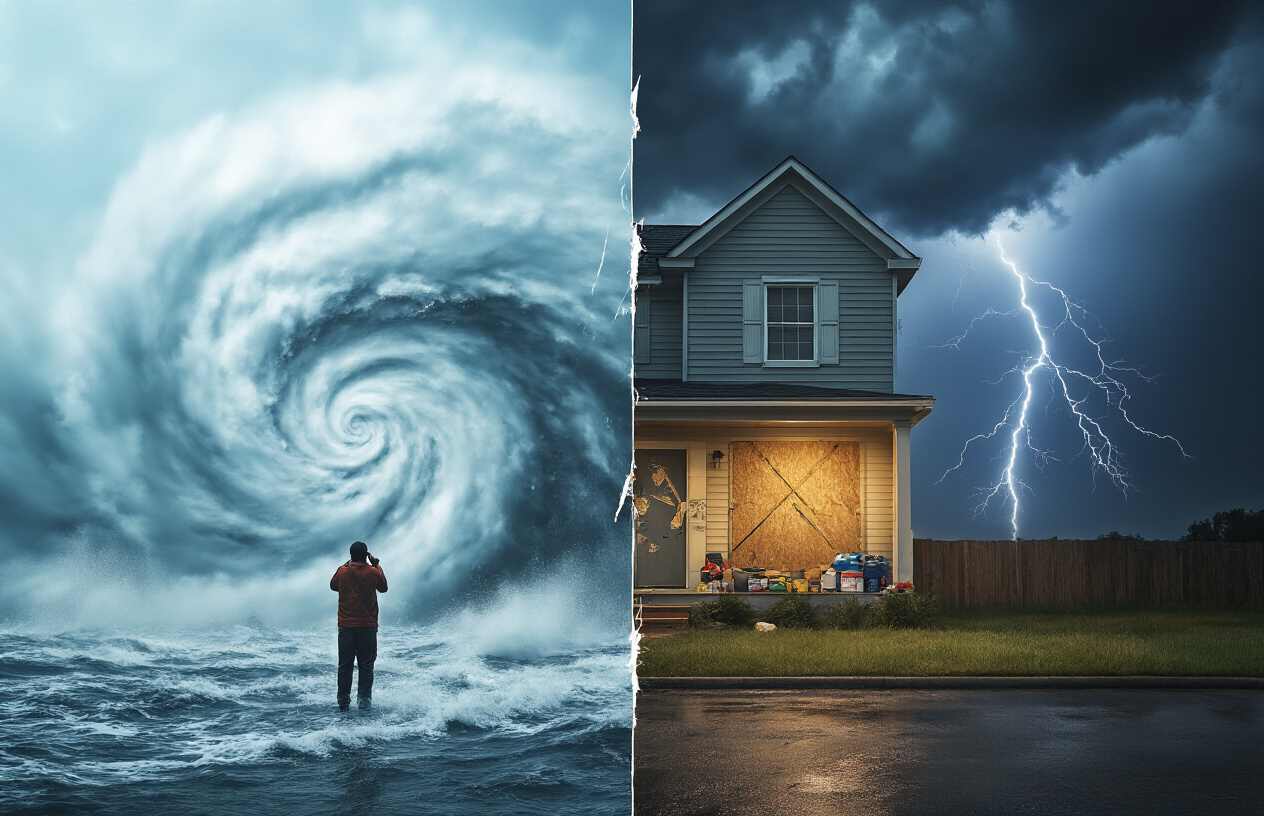
Having spent years studying hurricane preparedness, I can confidently tell you that taping windows is one of the most persistent yet dangerous hurricane myths that continues to circulate. This practice is not only a complete waste of your valuable preparation time, but it can actually make your situation worse when the storm hits.
I’ve seen countless homeowners frantically applying tape to their windows, believing they’re protecting their families. The harsh reality is that taping windows provides absolutely no structural reinforcement against hurricane-force winds or flying debris. Instead of relying on this ineffective method, I recommend that smart homeowners focus on covering windows with proper shutters or boards – but only if this can be done safely before the storm arrives.
The danger with taping is that it gives people a false sense of security while wasting precious preparation time that could be spent on truly life-saving measures like securing your hurricane emergency kit or finalizing evacuation plans.
The Truth About Opening Windows During Storms
Now that I’ve addressed the taping myth, let me tackle another dangerous misconception that has cost lives. Many people believe they should open windows during a hurricane to allow air to pass through their home, thinking this will somehow equalize pressure and protect the structure.
This belief couldn’t be more wrong, and I cannot stress enough how critical it is to understand this. Your house should be sealed absolutely tight during a hurricane. Opening windows allows air to enter your home, which creates internal pressure that can literally tear your roof off. I’ve witnessed the devastating aftermath of homes where occupants followed this misguided advice, and the results are catastrophic.
The physics behind this is straightforward: when you introduce air into your sealed home during high winds, you’re essentially turning your house into a balloon that can be ripped apart from the inside out. Every window and door should remain firmly closed and sealed throughout the entire storm event.
Understanding Your Real Risk Level vs. Perceived Experience
With these myths debunked, I want to address a psychological trap that puts many lives at risk. I’ve observed that individuals often drastically overestimate their hurricane experience, particularly if they were outside a direct-hit zone during previous storms. This creates a dangerous false sense of security when facing future, potentially more severe storms.
If you’ve only experienced a hurricane’s outer bands or were in an area that received a glancing blow, you haven’t truly experienced what these storms can do. I’ve met countless people who dismissed evacuation orders because they “rode out” a previous hurricane, not realizing they were never in real danger during that earlier event.
Understanding your true risk level, as communicated by local meteorologists and emergency services, is absolutely crucial for making correct evacuation decisions. These professionals have access to data, models, and experience that far exceed any individual’s limited exposure to hurricane conditions. When they issue warnings about hurricane eye dangers and recommend evacuation, they’re basing these decisions on comprehensive risk assessments, not guesswork.
Your survival depends on recognizing the difference between actual hurricane experience and perceived experience, and making decisions based on expert guidance rather than potentially misleading past encounters with weaker storms or indirect impacts.
Post-Eye Safety Protocols for Survival
Waiting for Official All-Clear from Authorities
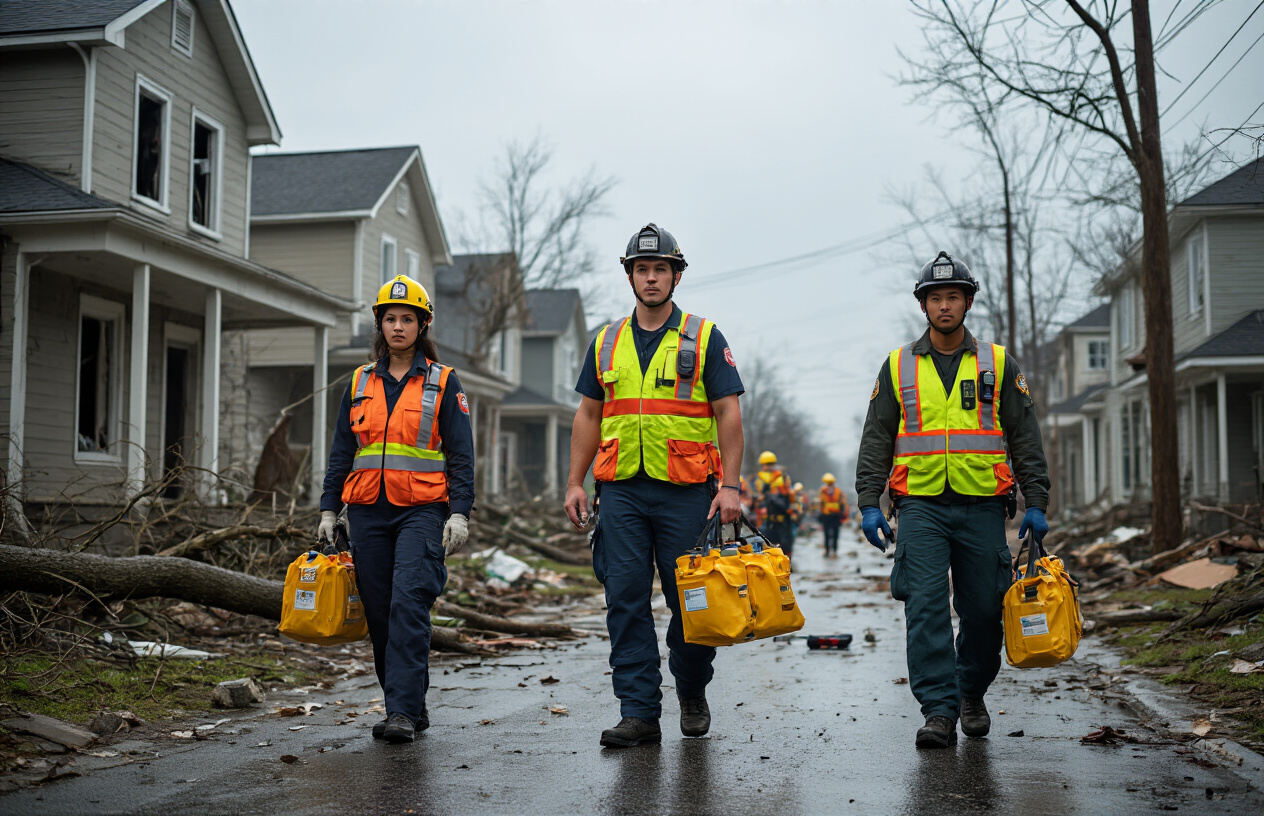
Now that the hurricane’s eye has passed and you’ve experienced the second half of the storm, I cannot emphasize enough how critical it is to wait for official confirmation from authorities that the storm has completely passed before venturing outdoors. My experience has taught me that this patience can literally save your life. Emergency management officials conduct thorough assessments of conditions and hazards before declaring areas safe for public access. Even after the winds die down, numerous invisible dangers may still threaten your safety. I always recommend monitoring official emergency broadcasts, social media accounts of local emergency services, and weather updates to receive the all-clear signal. Remember, if you evacuated your home, this official confirmation is equally important before returning to your property.
Avoiding Downed Power Lines and Electrical Hazards
One of the most lethal post-hurricane safety protocols I’ve learned involves electrical hazards. I never approach downed power lines, and neither should you – they can remain energized and deadly even when they appear inactive. What many people don’t realize is that you should never touch anything in contact with these power lines, including water or puddles nearby. Electricity can travel through water and metal objects, creating an invisible zone of danger around downed lines. My rule is simple: assume all downed power lines are live and maintain a safe distance of at least 35 feet. If I encounter this situation, I immediately contact the utility company to report the hazard.
Never Driving Through Standing Water or Flooding
Previously, I’ve witnessed too many tragic outcomes from people attempting to drive through standing water after hurricanes. This is one of the most dangerous mistakes you can make during post hurricane safety protocols. I never drive through standing water or flooded roads because depths can be severely misjudged, putting both your vehicle and your life at risk. What’s particularly terrifying is that if a car becomes submerged, water pressure can prevent doors from opening, creating a death trap. My approach is always the same: turn around immediately when I encounter flooded roads. The phrase “Turn Around, Don’t Drown” has become my personal mantra for hurricane survival guide situations.
Protecting Your Property from Further Damage
With this in mind, protecting my property from additional damage becomes crucial once the immediate danger has passed. I prioritize boarding up broken windows to deter vandalism and prevent additional weather damage from potential aftershocks or changing weather conditions. My post-hurricane checklist includes arranging temporary repairs for obvious structural damage while being extremely cautious of hazards such as flooding, sharp objects, damaged tree limbs, or compromised structures throughout my property. One critical safety measure I never overlook involves gas leaks – if I suspect any gas leak, I stay completely away from the property until the utility company declares it safe. These hurricane safety tips have proven invaluable in preventing secondary disasters that often cause more damage than the hurricane itself.
Essential Emergency Equipment and Generator Safety
Proper Generator Placement and Carbon Monoxide Prevention
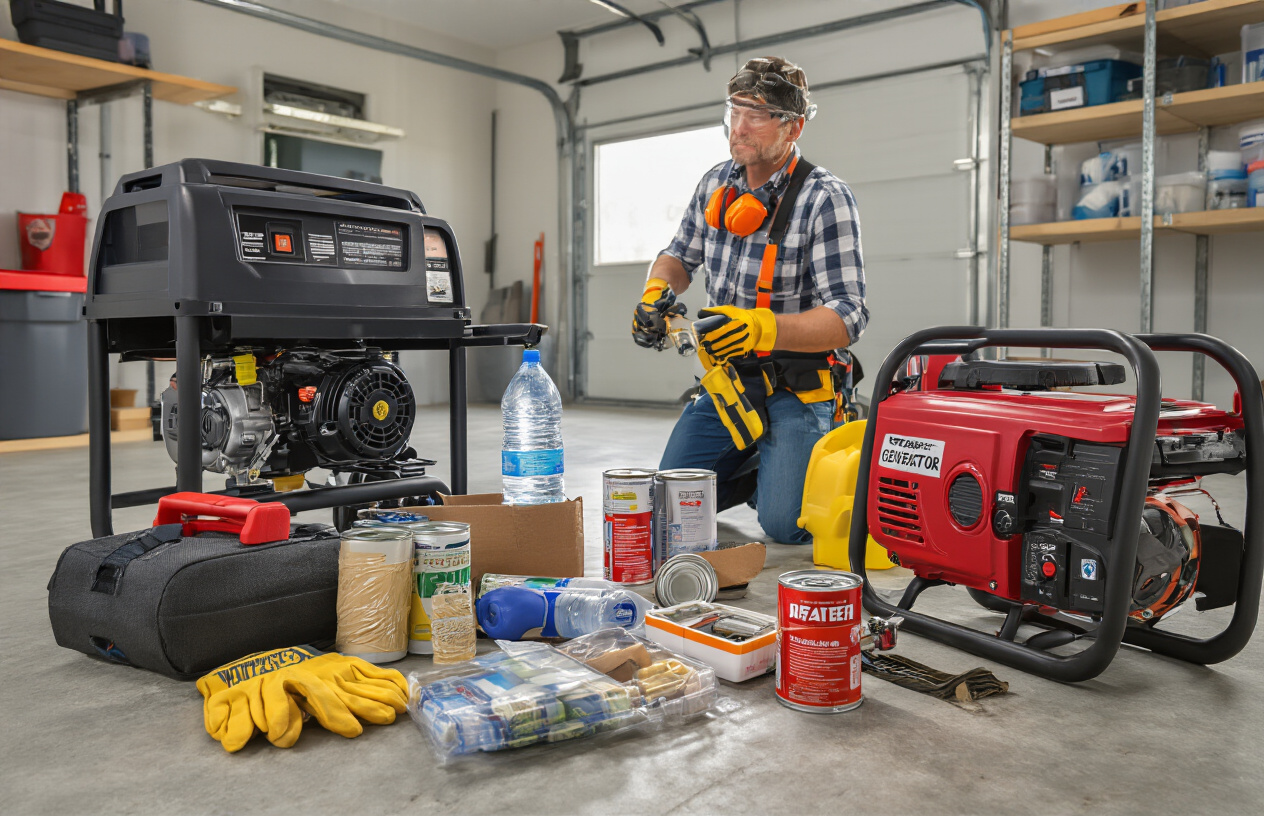
When I’m preparing my hurricane emergency kit, I always prioritize understanding generator safety as a critical component of my hurricane preparedness strategy. I’ve learned that following manufacturer’s instructions for portable generators isn’t just a suggestion—it’s a life-saving requirement that I never compromise on.
My first rule for generator safety is ensuring proper grounding to prevent electrical shock. I make certain that my generator is properly grounded according to the manufacturer’s specifications before operating it during any emergency situation.
The most crucial aspect of my generator safety protocol involves carbon monoxide prevention. I never operate my generator indoors, in garages, basements, or outdoors near windows, doors, or vents. Carbon monoxide production from generators has proven fatal in countless hurricane situations, and I refuse to become a statistic. The colorless, odorless nature of CO makes it particularly dangerous during power outages when people are desperate for electricity.
I ensure that I have a working CO detector installed in my home before I ever consider using a generator. This device serves as my early warning system against carbon monoxide poisoning, which can occur silently and rapidly. My generator placement strategy involves positioning the unit at least 20 feet away from my home and ensuring adequate ventilation around the equipment.
Maintaining Food Safety During Power Outages
During hurricane-related power outages, I’ve discovered that maintaining food safety becomes a critical survival skill. My primary strategy revolves around keeping the refrigerator closed as much as possible to trap cold air and delay the spoilage of perishable food.
I’ve learned that opening the refrigerator door frequently allows cold air to escape rapidly, accelerating food spoilage and potentially creating health hazards. My approach involves planning meals that require minimal refrigerator access and organizing items beforehand so I can quickly retrieve what I need without prolonged door openings.
When managing my emergency food supplies, I prioritize consuming perishable items first while they remain safe. I monitor the internal temperature of my refrigerator and freezer compartments, knowing that food safety depends on maintaining proper temperatures even during extended outages.
Documenting Damage and Expenses for Insurance Claims
Now that I’ve covered the immediate safety concerns, I focus on protecting my financial recovery through proper documentation. I keep accurate records of all expenses and save bills and receipts for temporary repairs throughout the hurricane emergency period.
My documentation strategy includes avoiding permanent repairs until a claim professional reviews the damage. This approach has saved me from potential claim complications and ensures I receive appropriate compensation for hurricane-related damages.
I inventory any damaged personal property meticulously, noting description, manufacturer, brand, age, and purchase details for each affected item. This comprehensive approach to documentation supports my insurance claims and expedites the recovery process.
My damage documentation process involves taking photographs and videotapes of all affected areas and items. I also utilize any existing personal property inventories I’ve maintained as supporting documentation for my claims.
When my home becomes unsafe due to storm damage, I immediately contact my insurance company to discuss temporary accommodations, ensuring I have proper authorization and coverage for additional living expenses during the recovery period.
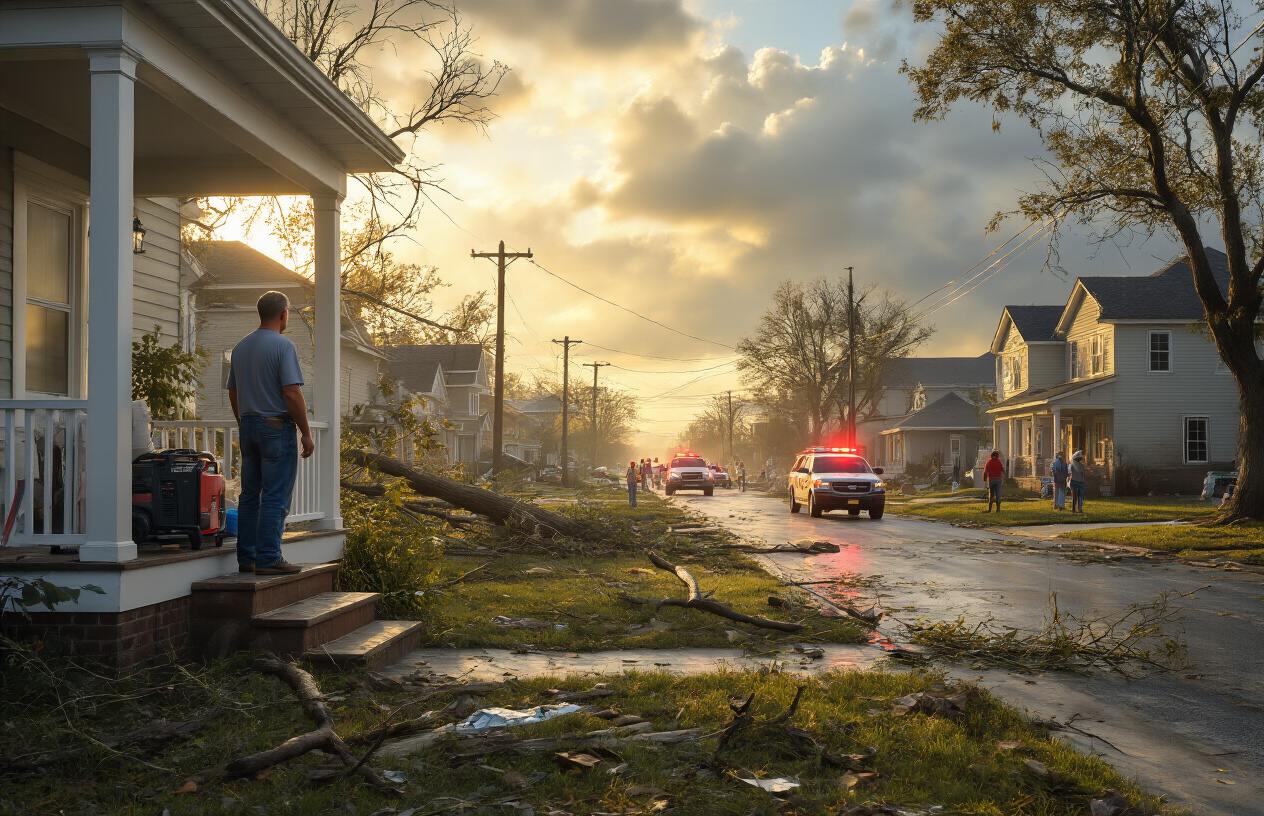
After spending nearly 35 years chasing hurricanes and witnessing the devastating power of these storms firsthand, I can’t stress enough how critical it is to understand what you’re truly facing when the eye passes over. The calm, deceptive nature of the hurricane’s eye has fooled countless people into making fatal decisions. Remember that elevation trumps distance every time—being 20 miles inland means nothing if you’re only two feet above sea level. Never venture outside during the eye, avoid getting into vehicles during any part of the storm, and resist the urge to drive through standing water afterward.
The key to surviving a hurricane’s eye lies in preparation, understanding the science behind these storms, and most importantly, respecting their power. I’ve seen too many people lose their lives because they underestimated what they were dealing with or fell victim to dangerous myths. Stay inside with proper emergency equipment, keep your generator safely positioned outdoors, and wait for official confirmation that the entire storm has passed. Your life depends on making smart decisions based on facts, not assumptions—and that’s a lesson I hope you never have to learn the hard way.