
7 Life-Changing Health Benefits of Eating Almonds Daily: Must-Read!
June 6, 2026 | by support@rabgcontent.com
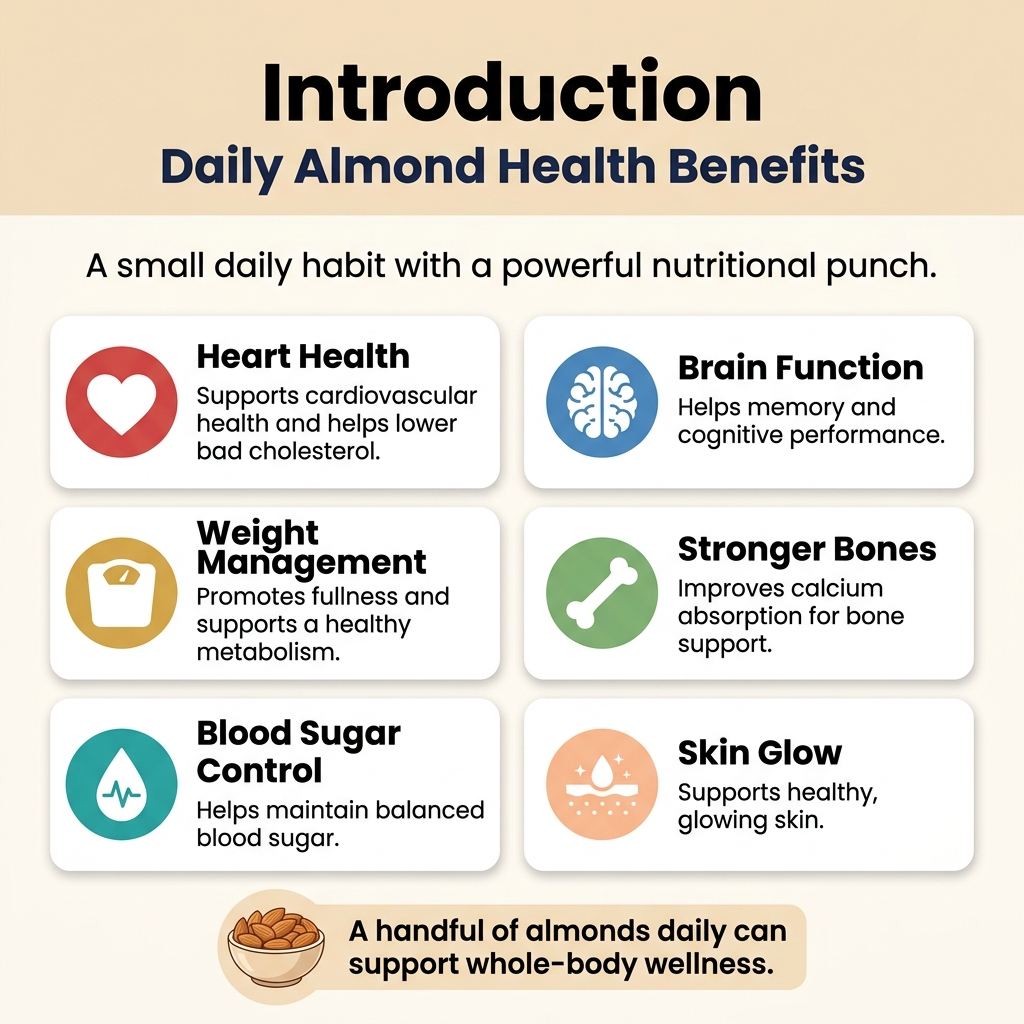
Eating almonds daily might seem like a small habit, but these nutrient-packed nuts deliver some seriously impressive health benefits that could transform your wellness routine. This guide is perfect for health-conscious individuals, busy professionals, and anyone curious about simple dietary changes that pack a powerful nutritional punch.
You’ll discover how daily almond consumption supports your heart by reducing the risk of cardiovascular disease and lowering LDL (bad) cholesterol. We’ll also explore how almonds for brain function can sharpen your memory and cognitive performance, and reveal why their weight-loss benefits make them an ideal snack for managing your metabolism and staying satisfied longer.
From stronger bones through improved calcium absorption to better blood sugar control and glowing skin, these seven science-backed benefits will show you why adding a handful of almonds to your daily routine is one of the smartest moves you can make for your health.
Almonds Boost Heart Health and Reduce Cardiovascular Disease Risk
Lower Bad Cholesterol Levels Naturally
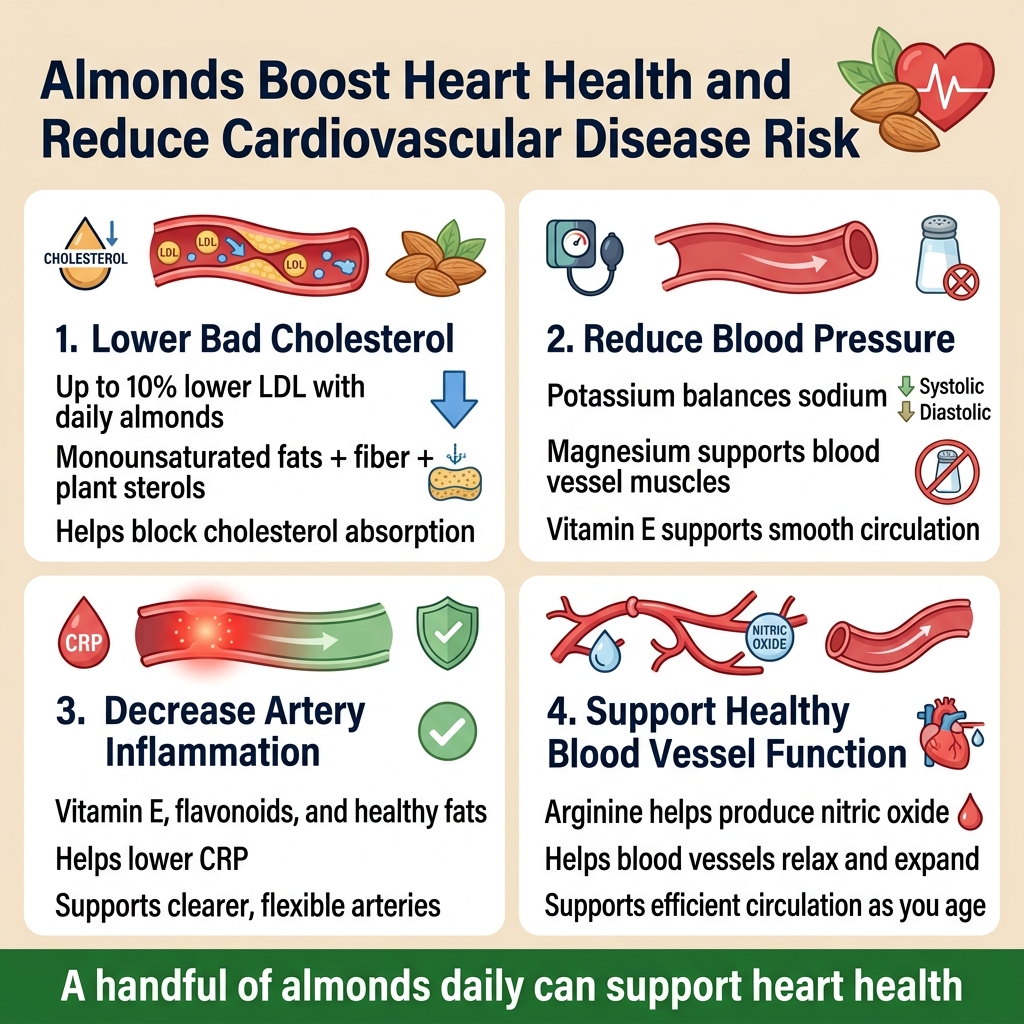
Eating almonds daily can be a game-changer for your cholesterol profile. Research shows that just a handful of almonds each day can reduce LDL (bad) cholesterol by up to 10%. The magic happens through almonds’ unique combination of monounsaturated fats, fiber, and plant sterols that work together to block cholesterol absorption in your digestive system.
The monounsaturated fats in almonds help replace saturated fats in your diet, naturally lowering the production of harmful cholesterol in your liver. Meanwhile, the soluble fiber acts like a sponge, binding to cholesterol molecules and escorting them out of your body before they can clog your arteries.
Reduce Blood Pressure and Improve Circulation
Daily almonds consumption delivers impressive results for blood pressure management. The potassium content in almonds helps counteract sodium’s effects, while magnesium supports proper muscle function in your blood vessel walls. Studies have shown that people who eat almonds regularly experience a measurable drop in both systolic and diastolic blood pressure within just a few weeks.
The vitamin E in almonds also plays a crucial role in maintaining healthy blood flow. This powerful antioxidant prevents blood platelets from sticking together unnecessarily, reducing the risk of dangerous clots while keeping your circulation smooth and efficient.
Decrease Inflammation in Arteries
Chronic inflammation in your arterial walls is a major contributor to heart disease, but almonds for heart health offer natural protection. The anti-inflammatory compounds in almonds, including vitamin E, flavonoids, and healthy fats, work together to calm inflammatory responses throughout your cardiovascular system.
Regular almond consumption helps lower C-reactive protein (CRP) levels, a key marker of inflammation that doctors use to assess heart disease risk. This anti-inflammatory effect helps prevent the buildup of plaque in your arteries, keeping them flexible and clear.
Support Healthy Blood Vessel Function
Almonds’ nutrition facts reveal high levels of arginine, an amino acid that your body converts into nitric oxide. This compound helps your blood vessels relax and expand when needed, improving overall cardiovascular flexibility. Better blood vessel function means your heart doesn’t have to work as hard to pump blood throughout your body.
The combination of healthy fats, protein, and micronutrients in almonds also supports the production of new blood vessels when needed, ensuring your cardiovascular system can adapt to changing demands and maintain optimal function as you age.
Enhanced Brain Function and Memory Protection
Improve cognitive performance and focus
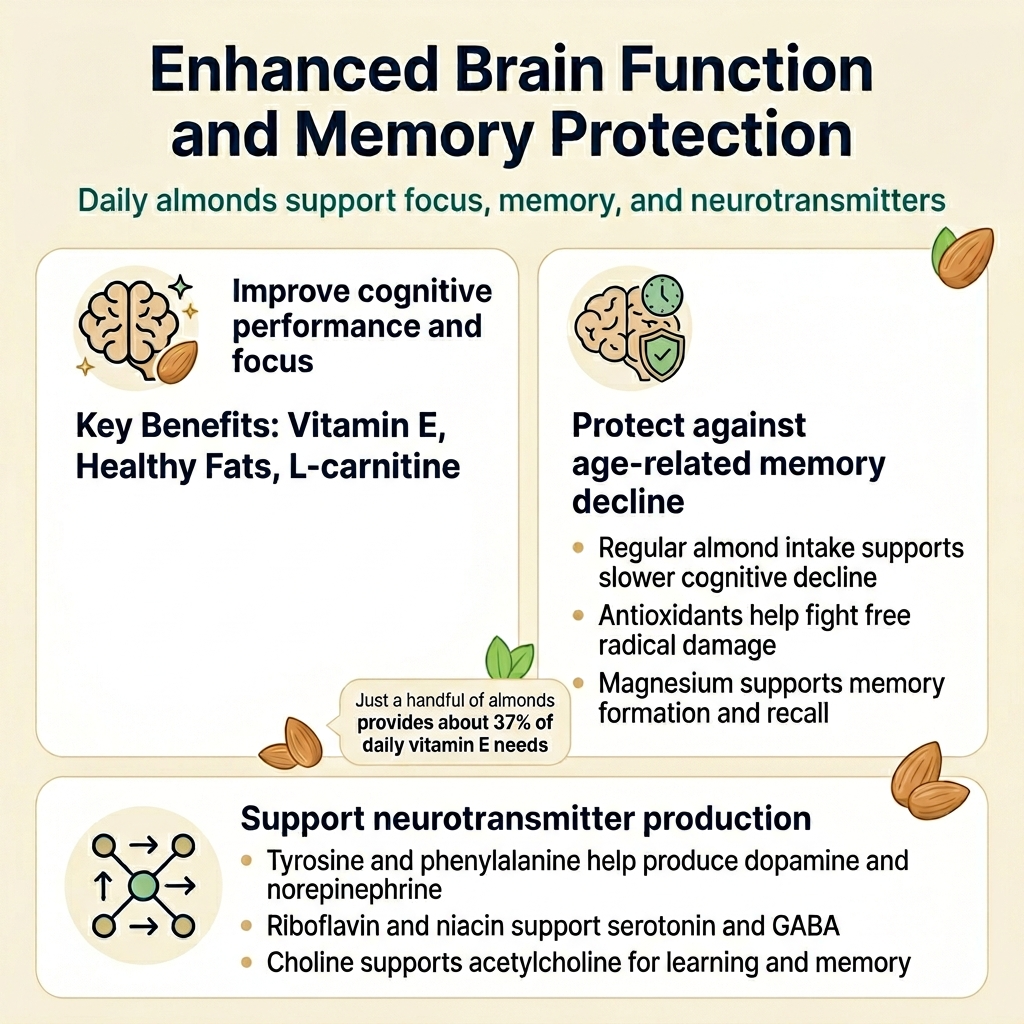
Eating almonds daily can significantly boost your brain’s ability to stay sharp and focused throughout the day. These nutrient-dense nuts contain high levels of vitamin E, which acts as a powerful antioxidant protecting brain cells from oxidative stress. Research shows that people who regularly consume almonds demonstrate improved attention span and better performance on cognitive tasks compared to those who don’t include these nuts in their diet.
The healthy fats in almonds, particularly monounsaturated fats, play a crucial role in maintaining optimal brain function. These fats help improve blood flow to the brain, ensuring that your neurons receive adequate oxygen and nutrients. When your brain gets better circulation, you’ll notice enhanced mental clarity and sustained focus during demanding tasks.
Almonds also contain riboflavin and L-carnitine, two nutrients that specifically support brain cell activity and may help reduce cognitive decline. Just a handful of almonds provides about 37% of your daily vitamin E needs, making this simple snack one of the most effective ways to support your mental performance naturally.
Protect against age-related memory decline
Regular almond consumption offers remarkable protection against memory loss as you age. The vitamin E content in almonds has been extensively studied for its neuroprotective properties, with research indicating that higher vitamin E intake correlates with slower rates of cognitive decline in older adults.
Studies have found that people who eat nuts like almonds five or more times per week show significantly better memory retention compared to those who rarely consume nuts. The antioxidants in almonds help combat the free radical damage that typically accelerates brain aging and contributes to conditions like Alzheimer’s disease.
The magnesium found in almonds also plays a vital role in memory formation and recall. This essential mineral helps regulate neurotransmitter activity in areas of the brain responsible for learning and memory. Getting adequate magnesium through daily almond consumption can help maintain cognitive function well into your later years.
Support neurotransmitter production
Almonds provide essential building blocks for producing key neurotransmitters that regulate mood, memory, and cognitive function. The protein in almonds contains amino acids like tyrosine and phenylalanine, which serve as precursors for dopamine and norepinephrine – chemicals that help you feel alert, motivated, and mentally sharp.
The B vitamins present in almonds, particularly riboflavin and niacin, support the synthesis of various neurotransmitters including serotonin and GABA. These chemicals help regulate stress responses and promote mental calmness while maintaining cognitive clarity. When your brain has adequate raw materials to produce these important chemicals, you’ll experience better emotional balance and improved mental performance.
Daily almond consumption also supports acetylcholine production, a neurotransmitter critical for learning and memory formation. The choline content in almonds contributes to this process, helping your brain form new memories more effectively and retrieve stored information when needed.
Weight Management and Metabolism Benefits
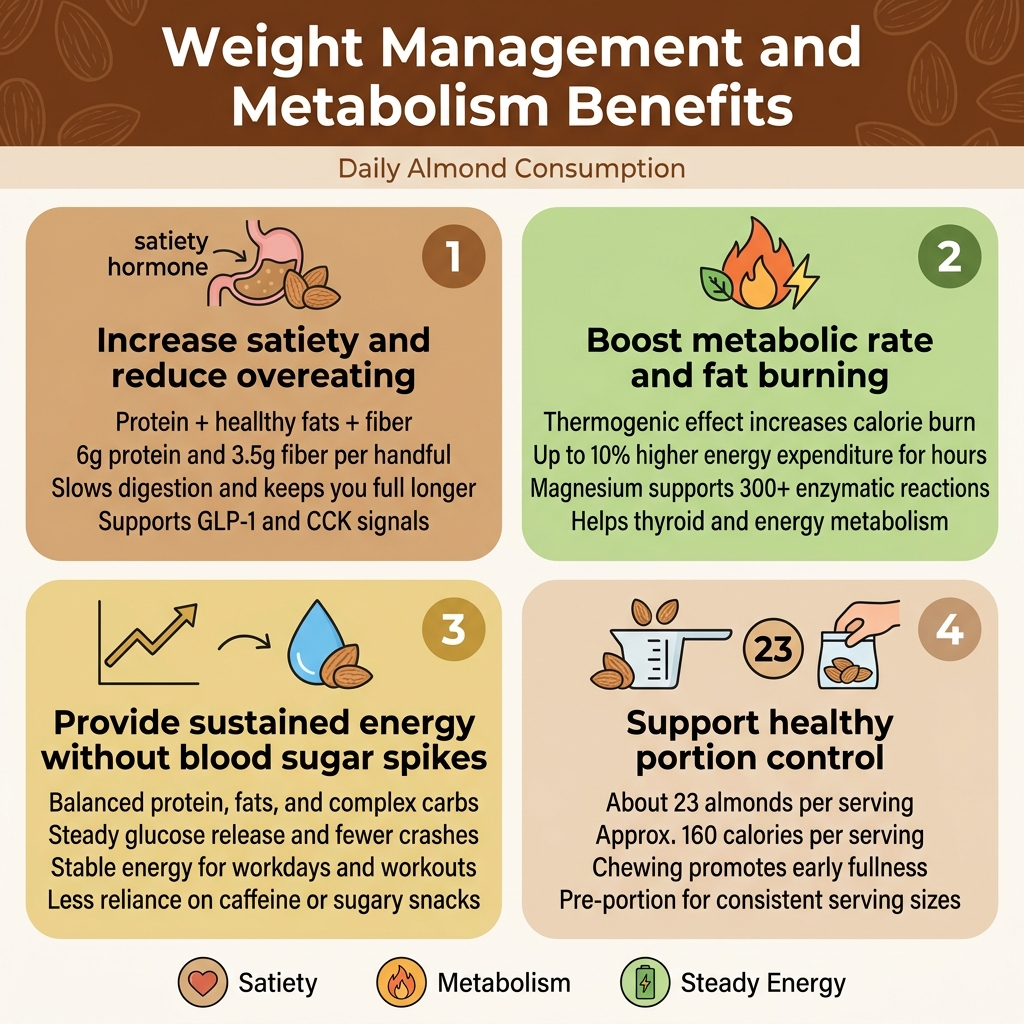
Increase satiety and reduce overeating
Daily almond consumption works like a natural appetite suppressant, helping you feel fuller for longer periods. The combination of protein, healthy fats, and fiber in almonds triggers satiety hormones that signal your brain when you’ve had enough to eat. A handful of almonds contains about 6 grams of protein and 3.5 grams of fiber, creating a powerful duo that slows digestion and extends feelings of fullness.
Studies show that people who eat almonds as snacks consume fewer calories throughout the day compared to those who choose processed snack foods. The key lies in almonds’ ability to activate stretch receptors in your stomach and release hormones like GLP-1 and CCK, which communicate satisfaction to your brain. This natural mechanism helps prevent the mindless munching that often sabotages weight management goals.
Boost metabolic rate and fat burning
Eating almonds daily can give your metabolism a meaningful boost through their thermogenic effect. Your body burns more calories digesting almonds compared to processed foods because of their complex nutrient structure. Research indicates that the metabolic boost from eating nuts like almonds can increase energy expenditure by up to 10% for several hours after consumption.
The magnesium in almonds plays a crucial role in over 300 enzymatic reactions that support metabolic function. This mineral helps convert food into energy more efficiently and supports the proper function of your thyroid, which regulates metabolic rate. Additionally, the healthy monounsaturated fats in almonds help optimize hormone production, including those responsible for fat burning and muscle maintenance.
Provide sustained energy without blood sugar spikes
Unlike sugary snacks that cause rapid blood sugar fluctuations, almonds deliver steady, sustained energy that keeps you going throughout the day. The balanced combination of protein, healthy fats, and complex carbohydrates creates a gradual release of glucose into your bloodstream. This steady energy supply prevents the crash-and-burn cycle that often leads to cravings and overeating.
The fiber content in almonds slows the absorption of any natural sugars, while the protein helps stabilize blood glucose levels. This makes almonds an ideal choice for maintaining consistent energy levels during busy workdays or intense workout sessions. People who include almonds in their daily routine often report fewer afternoon energy dips and reduced reliance on caffeine or sugary pick-me-ups.
Support healthy portion control
Almonds naturally promote portion control through their satisfying texture and rich nutrient density. The act of chewing almonds thoroughly sends early satiety signals to your brain, helping you recognize when you’ve eaten enough. Their satisfying crunch and rich, nutty flavor provide sensory satisfaction that many processed snacks lack.
A standard serving of almonds (about 23 nuts) contains approximately 160 calories but delivers exceptional nutritional value. This nutrient density means you get maximum nutrition per calorie, supporting your body’s needs while maintaining a healthy caloric intake. Pre-portioning almonds into small containers or bags can help establish consistent serving sizes and prevent overindulging, making them perfect allies in long-term weight management strategies.
Stronger Bones and Improved Calcium Absorption
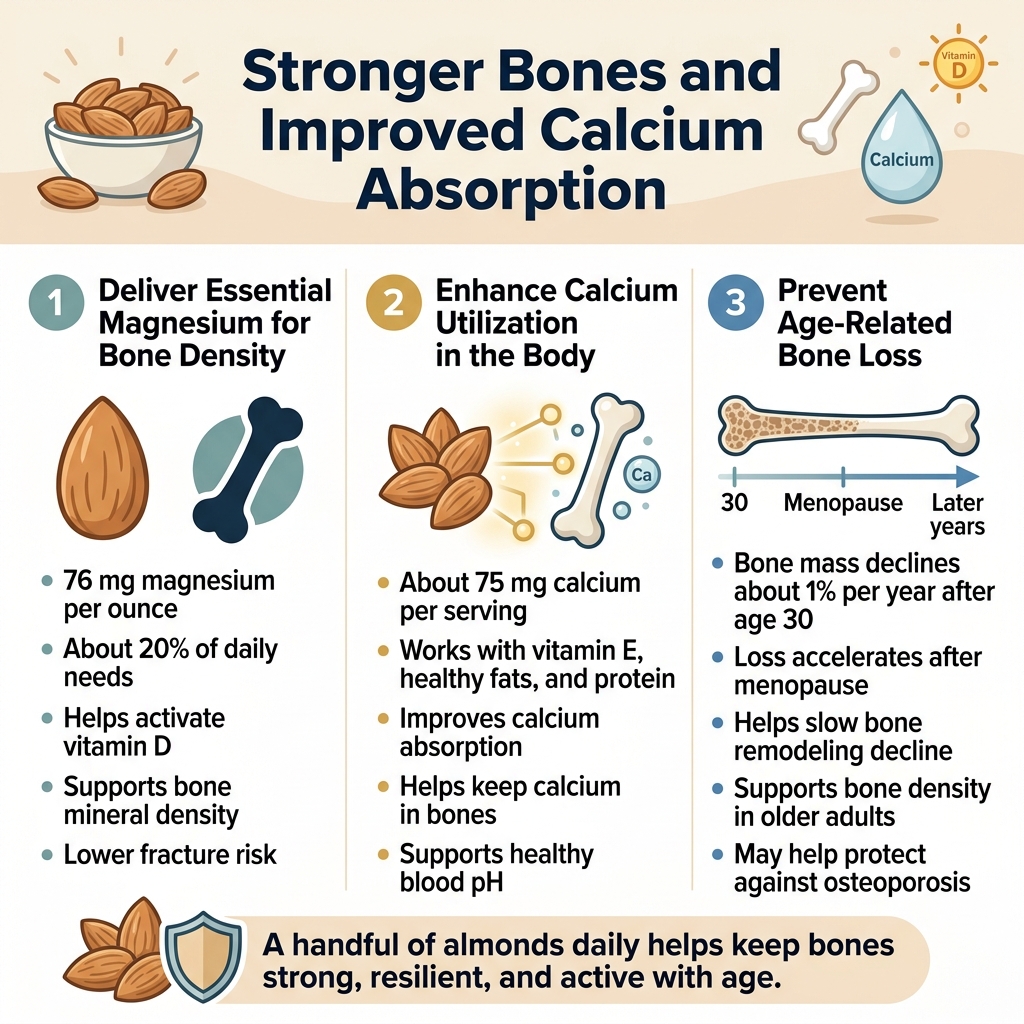
Deliver Essential Magnesium for Bone Density
Almonds pack a serious punch when it comes to magnesium content, delivering about 76 milligrams per ounce – roughly 20% of your daily needs. This mineral works like a behind-the-scenes hero for your bones, helping convert vitamin D into its active form so your body can actually use calcium effectively. Without enough magnesium, your bones become brittle and weak, even if you’re drinking milk by the gallon.
Your skeletal system relies on magnesium to maintain proper bone mineral density. Studies show that people with higher magnesium intake have significantly denser bones and lower fracture risk. When you eat almonds daily, you’re giving your bones the building blocks they need to stay strong and resilient as you age.
Enhance Calcium Utilization in the Body
Eating almonds daily doesn’t just provide calcium – it helps your body make the most of every bit of calcium you consume. Each serving contains about 75 milligrams of calcium, but the real magic happens when almond calcium benefits work together with other nutrients like vitamin E, healthy fats, and protein.
The calcium in almonds gets absorbed more efficiently than many other sources because of this nutrient synergy. Your bones need more than just calcium to thrive; they need the right environment for calcium absorption. Almonds create that perfect storm of nutrients that allows calcium to actually reach your bones instead of getting flushed out of your system.
Daily almond consumption also helps maintain optimal pH levels in your blood, preventing your body from leaching calcium from your bones to balance acidity levels.
Prevent Age-Related Bone Loss
Starting around age 30, we naturally lose bone mass at a rate of about 1% per year. This process accelerates dramatically after menopause for women and continues steadily for men. Regular almond nutrition helps slow this inevitable decline by providing consistent support for bone remodeling – the process where old bone tissue gets replaced with new, healthy bone.
Research shows that postmenopausal women who include nuts like almonds in their diet maintain better bone density compared to those who don’t. The combination of magnesium, calcium, and other bone-supporting nutrients in almonds helps keep your skeletal system functioning optimally well into your golden years.
Incorporating just a handful of almonds into your daily routine creates a protective shield against osteoporosis and fractures, giving you the confidence to stay active and independent as you age.
Blood Sugar Regulation and Diabetes Prevention
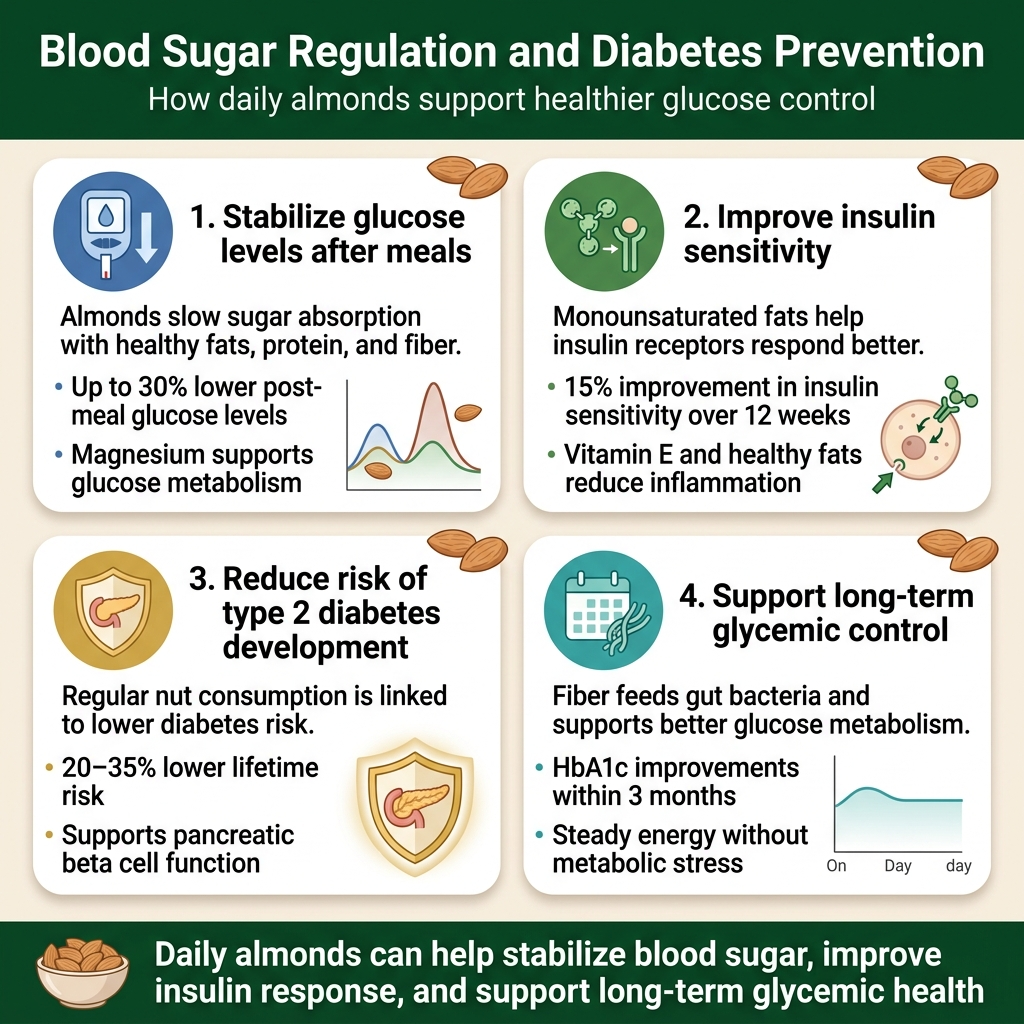
Stabilize glucose levels after meals
Eating almonds daily provides remarkable almonds blood sugar control benefits that can transform your post-meal glucose response. When you consume almonds alongside carbohydrate-rich foods, the healthy fats, protein, and fiber in almonds work together to slow down the absorption of sugars into your bloodstream. This natural buffering effect prevents those dangerous glucose spikes that typically occur 30-60 minutes after eating.
Research shows that people who include a handful of almonds with their meals experience up to 30% lower post-meal glucose levels compared to those who skip this nutritious addition. The magnesium content in almonds plays a crucial role here, as this essential mineral directly supports proper glucose metabolism at the cellular level.
Improve insulin sensitivity
Daily almond consumption significantly enhances your body’s ability to respond to insulin effectively. The monounsaturated fats found in almonds help improve cell membrane composition, making insulin receptors more responsive to the hormone’s signals. This improved sensitivity means your pancreas doesn’t have to work as hard to maintain healthy blood sugar levels.
Studies tracking participants over 12 weeks found that those eating almonds daily showed a 15% improvement in insulin sensitivity markers. The vitamin E and healthy fats in almonds also reduce inflammation around insulin receptors, creating an optimal environment for proper glucose uptake by cells.
Reduce risk of type 2 diabetes development
The protective effects of eating almonds daily extend far beyond immediate blood sugar management. Large-scale population studies reveal that people who consume nuts regularly, particularly almonds, show a 20-35% lower risk of developing type 2 diabetes over their lifetime.
Almonds contain specific compounds that support pancreatic beta cell function – the cells responsible for producing insulin. The combination of protein, healthy fats, and antioxidants creates a protective environment that helps preserve these critical cells from oxidative damage and inflammation that typically leads to diabetes development.
Support long-term glycemic control
Consistent almond consumption creates lasting improvements in overall glucose management that compound over time. The fiber content in almonds feeds beneficial gut bacteria, which produce short-chain fatty acids that improve glucose metabolism throughout the body.
People who make almonds part of their daily routine often see improvements in their HbA1c levels – a key marker of long-term blood sugar control – within just three months. The sustained energy release from almond nutrition facts shows how these nuts provide steady fuel without causing metabolic stress, supporting stable blood sugar patterns throughout the day.
Skin Health and Anti-Aging Properties

Provide vitamin E for skin protection
Almonds pack an impressive punch when it comes to vitamin E content, containing about 7.3 milligrams per ounce. This powerful antioxidant acts like a natural shield for your skin cells, protecting them from harmful UV radiation and environmental pollutants. When you eat almonds daily, you’re essentially feeding your skin from the inside out with one of nature’s most effective protective compounds.
Vitamin E works by stabilizing cell membranes and preventing oxidative damage that can lead to premature aging. Regular almond consumption helps maintain your skin’s natural barrier function, keeping moisture locked in and irritants locked out. This translates to healthier, more resilient skin that can better withstand daily stressors.
Combat free radical damage
Free radicals are unstable molecules that attack healthy skin cells, causing visible signs of aging like wrinkles, dark spots, and loss of firmness. The antioxidants in almonds neutralize these destructive molecules before they can cause significant damage. Beyond vitamin E, almonds contain flavonoids and phenolic compounds that work together to create a comprehensive defense system.
Daily almond consumption provides your body with consistent antioxidant support, helping repair existing damage while preventing new harm. This ongoing protection is particularly valuable for people exposed to pollution, stress, or excessive sun exposure. The cumulative effect of eating almonds regularly can slow down the visible aging process and maintain a more youthful appearance.
Promote collagen production
Collagen is the protein responsible for keeping skin plump, smooth, and wrinkle-free. Almonds support collagen synthesis through their rich content of copper, manganese, and riboflavin. These nutrients work as cofactors in the biochemical processes that create new collagen fibers.
The vitamin C content in almonds, though modest, still contributes to collagen formation. Combined with the protein and healthy fats that almonds provide, these nutrients give your body the building blocks it needs to maintain skin structure. Regular almond consumption can help slow the natural decline in collagen production that begins in your twenties.
Maintain skin elasticity and hydration
The monounsaturated fats in almonds help maintain your skin’s lipid barrier, which is crucial for retaining moisture and maintaining elasticity. These healthy fats become incorporated into cell membranes, making them more flexible and better able to hold water. This natural moisturizing effect comes from within, creating lasting hydration that topical products alone cannot achieve.
Almonds skin health benefits extend to improved texture and tone as well. The zinc content supports skin repair and renewal, while magnesium helps regulate cellular processes that affect skin appearance. People who include almonds in their daily routine often notice softer, more supple skin within weeks of starting this healthy habit.
Digestive Health and Gut Microbiome Support
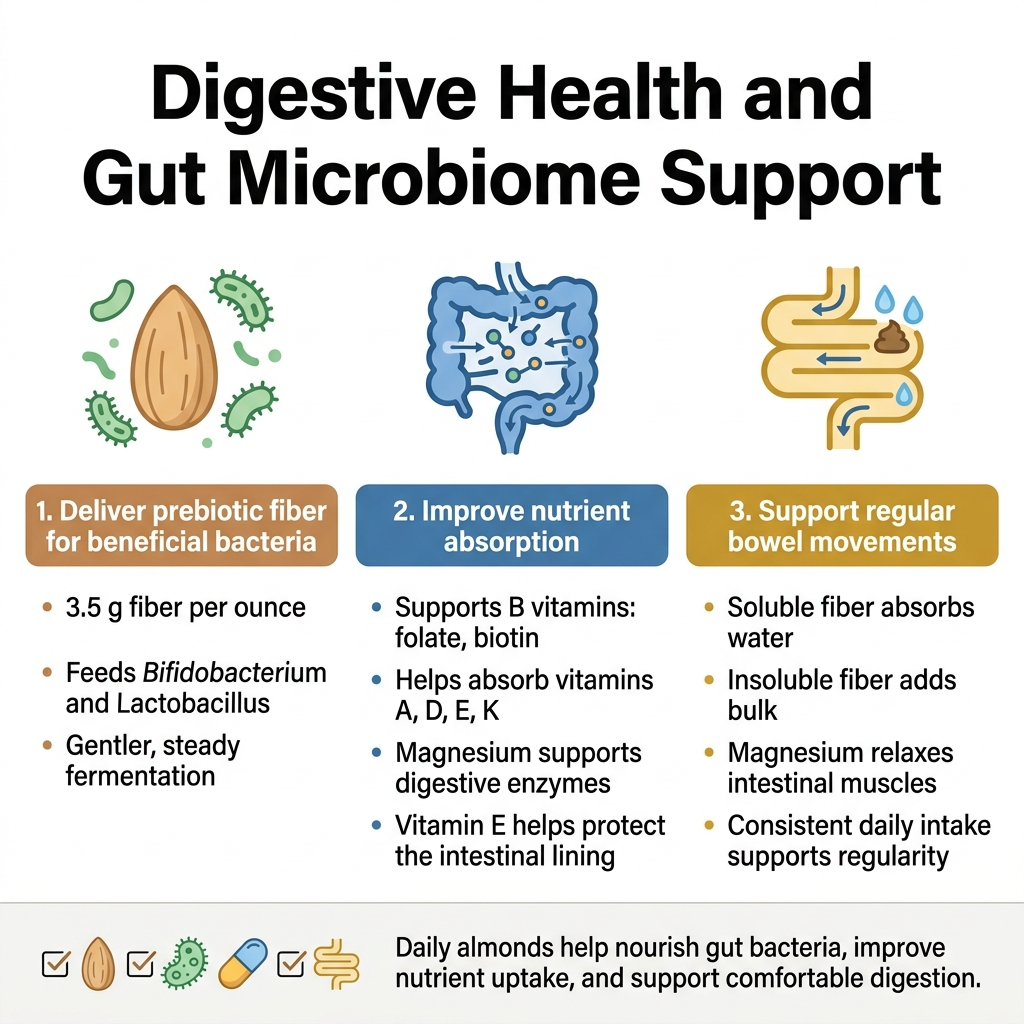
Deliver prebiotic fiber for beneficial bacteria
Almonds are packed with prebiotic fiber that acts like premium fuel for the good bacteria living in your gut. Each ounce of almonds delivers about 3.5 grams of fiber, with a significant portion being prebiotic compounds that your digestive system can’t break down but your beneficial gut bacteria absolutely love. When you eat almonds daily, you’re essentially feeding the helpful microorganisms that keep your digestive system running smoothly.
The prebiotic fiber in almonds specifically promotes the growth of Bifidobacterium and Lactobacillus strains, two powerhouse bacteria known for their digestive benefits. These bacteria feast on the fiber, multiply, and crowd out harmful bacteria that might otherwise cause digestive issues or inflammation. Research shows that people who include almonds in their regular diet see measurable increases in beneficial bacteria populations within just a few weeks.
What makes almond fiber particularly special is its unique composition. Unlike some other fiber sources that can cause gas or bloating, almond fiber tends to be gentler on sensitive stomachs while still providing robust prebiotic benefits. The gradual fermentation process means your gut bacteria get a steady supply of nutrients without overwhelming your system.
Improve nutrient absorption
Your gut’s ability to extract vitamins and minerals from food depends heavily on having a healthy population of beneficial bacteria, and this is where daily almond consumption really shines. The prebiotic fiber in almonds doesn’t just feed good bacteria – it helps create an optimal environment for nutrient absorption throughout your entire digestive tract.
Healthy gut bacteria produce enzymes that break down complex nutrients into forms your body can actually use. When you maintain a thriving gut microbiome with almond nutrition facts working in your favor, you’ll absorb more B vitamins, particularly folate and biotin, which gut bacteria actually produce themselves. The improved bacterial balance also enhances your ability to absorb fat-soluble vitamins like A, D, E, and K.
The healthy fats in almonds play a dual role here. They provide the building blocks your intestinal lining needs to stay strong and permeable in all the right ways, while also helping transport fat-soluble vitamins across the intestinal wall. People who eat almonds regularly often show better blood levels of key nutrients, even when their overall diet remains the same.
The magnesium in almonds supports the production of digestive enzymes, while the vitamin E acts as an antioxidant that protects your intestinal lining from inflammation that could interfere with nutrient uptake.
Support regular bowel movements
Getting enough fiber is crucial for healthy digestion, and eating almonds daily provides both soluble and insoluble fiber that work together to keep things moving smoothly. The insoluble fiber adds bulk to stool and helps it move through your intestines at the right pace, while the soluble fiber absorbs water to create the ideal consistency.
Many people find that adding almonds to their routine helps establish more regular bathroom habits without the harsh effects of artificial laxatives. The fiber content works gradually and naturally, giving your digestive system time to adjust and find its rhythm. Unlike processed foods that can disrupt digestion, almonds provide steady, gentle support that builds better digestive health over time.
The combination of fiber, healthy fats, and magnesium in almonds creates an ideal environment for comfortable, regular bowel movements. Magnesium helps relax the smooth muscles in your intestinal tract, while the healthy fats provide lubrication that makes elimination easier. The fiber ensures adequate bulk and proper transit time through your colon.
People dealing with occasional constipation often see improvement within a week of adding a handful of almonds to their daily routine. The key is consistency – your digestive system responds best to regular fiber intake rather than sporadic large amounts that might cause discomfort.
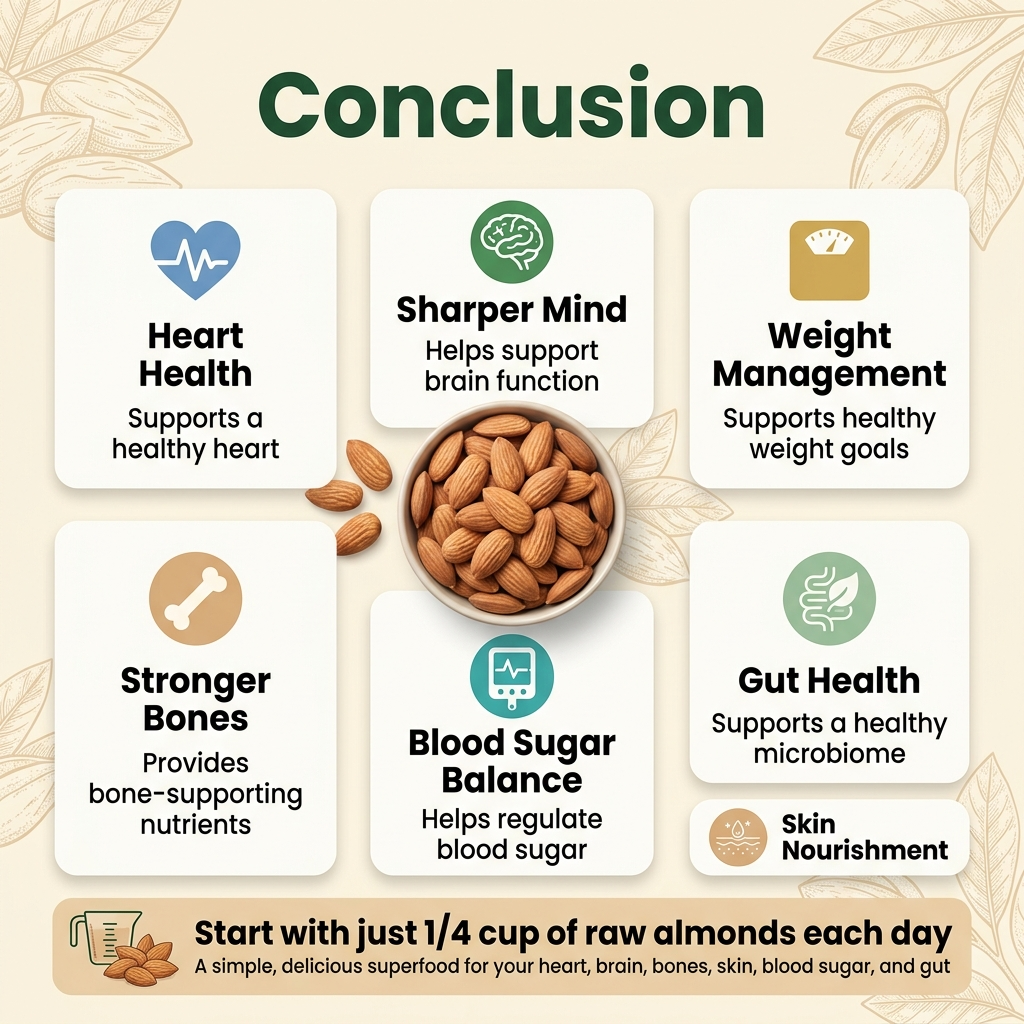
Adding a small handful of almonds to your daily routine can create powerful changes throughout your body. From protecting your heart and sharpening your mind to supporting healthy weight management and strengthening your bones, these nutrient-packed nuts deliver impressive benefits that go far beyond simple snacking. The natural compounds in almonds work together to regulate blood sugar, nourish your skin, and even support a healthy gut microbiome.
Start with just a quarter cup of raw almonds each day and watch how this simple change can transform your overall health. Your heart, brain, bones, and skin will thank you for making this delicious and convenient superfood a regular part of your meals and snacks.
RELATED POSTS
View all


Best whey protein for muscle gain in India
September 22, 2025 | by support@rabgcontent.com

Daily Routine Mastery: 10 Simple Habits to Build the Perfect Day for Success
June 11, 2026 | by support@rabgcontent.com

Self-Confidence and Positive Thinking: 5 Blueprints for Success
September 10, 2025 | by support@rabgcontent.com